THE CASE BEGINS WITH CONTEXT
Patient, site, and intention, together.
Patient and condition open the case; treatment and odontogram create and confirm a stable site.
Continues: prescription · clinical team

PRODUCT TOUR · SURGEON → LABORATORY
When site, shade, files, or instructions arrive separately, the surgeon answers clarifications and the laboratory stops design. This tour shows where TrazaLab's model addresses that risk before fabrication.

THE CASE BEGINS WITH CONTEXT
Patient and condition open the case; treatment and odontogram create and confirm a stable site.
Continues: prescription · clinical team
Synthetic case based on the canonical contract verified locally. Productive integration of the new Case Wizard remains pending approval.
PATIENT → CONDITION → SITE
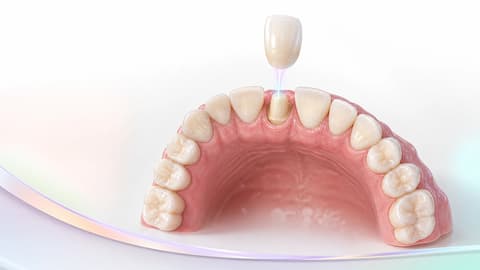
The record begins with a person and an intention. Then treatment and the odontogram confirm FDI 11 without exposing the draft to the laboratory.
CLINICAL CONTEXT · SAME CASE
THE TREATMENT BRANCH
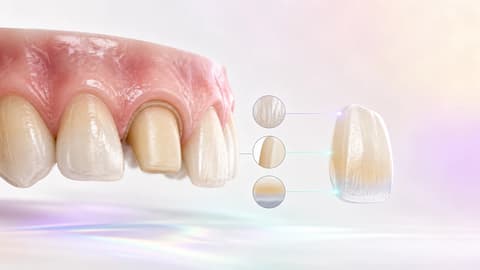
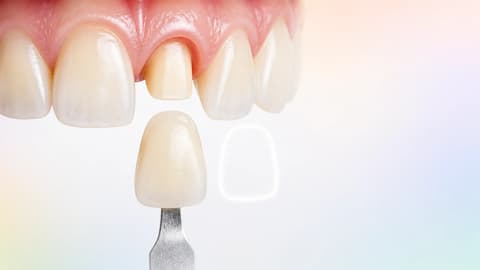
FDI 11 keeps restoration, material, and shade inside the same objective. The interface does not dump a universal checklist on the team.
CLINICAL EVIDENCE + SCANS
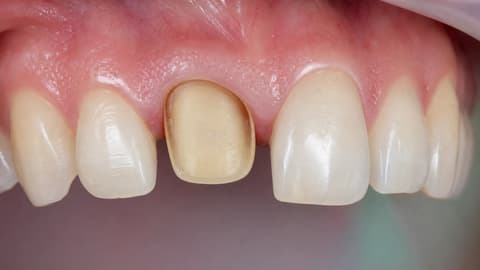
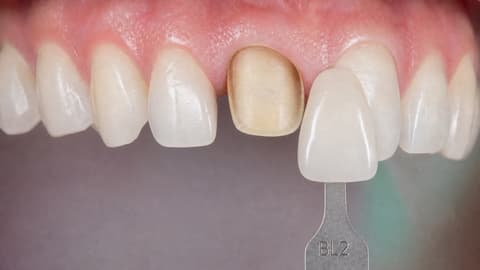
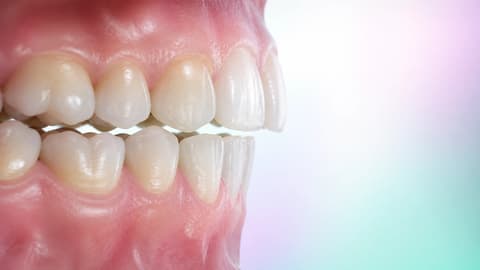
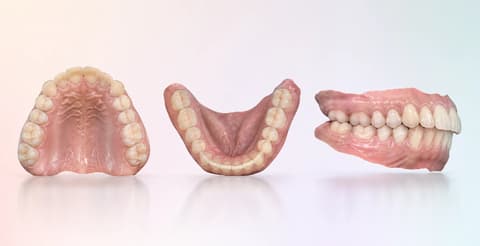
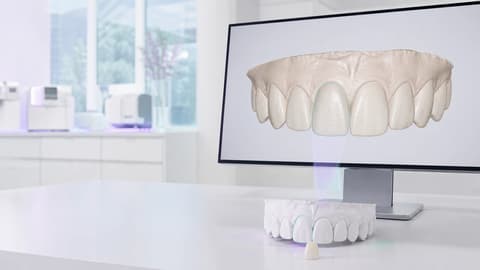
Preparation, shade, and treatment arch form the demonstration for this crown. The occlusal relationship illustrates another possible function, not a universal requirement.


The missing item appears after the patient has left, and the laboratory receives a folder it must reconstruct.
TrazaVideo can preserve motion when the treatment requires it; it does not diagnose occlusion or measure forces.

AN STL IS NOT “THE CASE”
Treatment, antagonist, and bite keep distinct names before review.

INSTRUCTIONS TO THE LABORATORY
The requested date and technician indications accompany the structured prescription inside the same record.
“Preserve incisal anatomy according to the attached reference.”
REVIEW AND SEND
The draft can keep being prepared; the transition stays blocked.

Validation returns to the evidence step with the site and requirement that must be resolved.
Canonical validation recalculates presence, references, and requirements. It does not diagnose, automatically assign a person, or replace the clinical or technical decision.
NEXT STATESurgeon → decide whether to send the reviewed version.
A CLEAR BOUNDARY
The private draft stays outside the laboratory view while a blocking missing item exists.
This interaction explains the local contract; it does not execute a production delivery.
AFTER SEND · PREVENTION CONTINUES
Sending a reviewed package reduces ambiguity; it does not replace technical inspection, clinical try-in, or the later human decision.
The laboratory reviews the received package and decides whether to accept what is available or request a clarification related to the same case.
Prevents a technical doubt from quietly becoming fabrication.Accept, adjust, or return belongs to the received version and the current evidence; the software does not certify seating, shade, or occlusion.
Prevents delivery from closing the case without a responsible decision.If a repetition exists, the attributed cause, severity, and captured impact can be reviewed afterward to guide your own standards.
It does not predict the next outcome or promise to eliminate remakes.The record connects each requirement to the patient, site, and treatment that give it meaning.
PEOPLE DECIDEClinical and technical judgmentThe surgeon keeps the clinical decision and the laboratory keeps the technical interpretation.
THIS PAGE EXPLAINSA locally verifiable modelIt does not query patients, upload files, persist cases, or execute a real laboratory delivery.
PREVENTION, WITHOUT INFLATED PROMISES
What reduces ambiguity before fabrication, when the rules appear, and where this public explanation ends.
It follows a synthetic dental case from the patient and clinical condition through review before send. The sequence keeps treatment, odontogram, prescription, evidence, and instructions inside the same record.
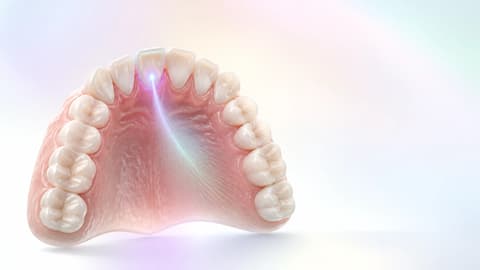
The flow first identifies the patient, declares the clinical condition, and defines the treatment objective. Then the odontogram confirms the site on the arch and keeps its FDI and Universal equivalence.
Explore the advanced odontogramThe demonstration relates a preparation photograph, a shade photograph, and a scan identified as the treatment arch. Other visible records explain possible functions, not universal requirements. Restoration, multilayer zirconia, and BL2 remain associated with FDI 11.
Review files and scannersThe draft can keep being prepared, but send must stop. The case returns to the concrete requirement so the responsible person can relate the missing evidence before trying to send again.
Learn remake causesNot in the canonical contract verified locally. The draft stays private while the case is in preparation. After a valid model transition, authorized views consult the submitted version.
See laboratory receptionYes. Local tests cover crown, implant crown, three-unit bridge, and full-arch provisional with different branches. This page does not promise universal coverage or compatibility with every export.
See the surgeon flowNo. It can review presence, relationship, and configured rules, but it does not diagnose or prescribe. Fit, shade, and outcome remain under human clinical and technical decision.
No. It is an interactive explanation based on the verified local model. It does not query records, upload files, persist data, or demonstrate a production delivery to a laboratory.
The contract, validation, and tours are verified locally. Productive integration of the new Case Wizard remains inactive and pending approval.
YOU HAVE SEEN WHERE AMBIGUITY STOPS
If your clinic repeats captures or your laboratory chases clarifications, try a representative case and locate where context is missing before fabrication.
To try the flow, use a synthetic or de-identified case. This page does not query patients, upload files, or send cases.