
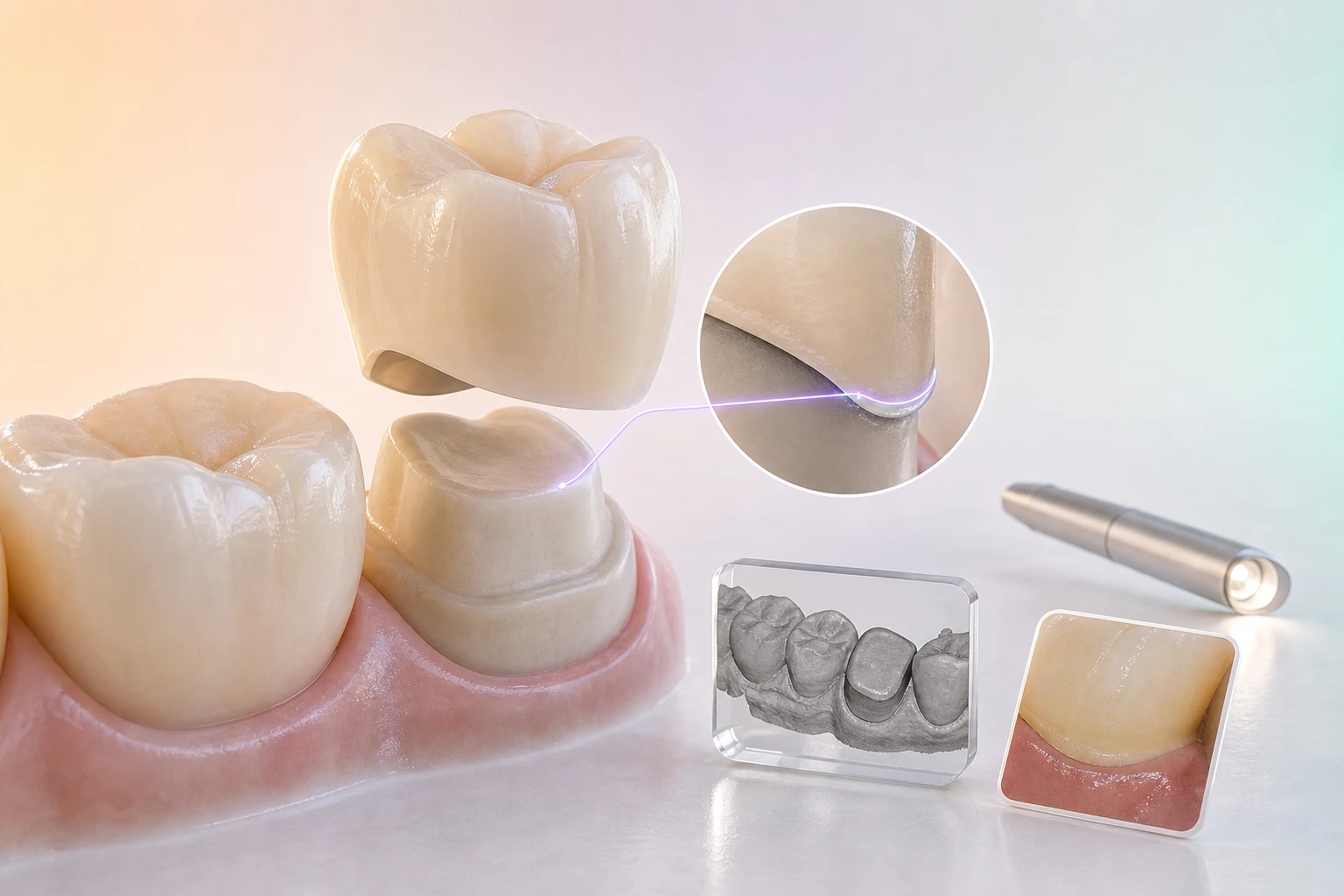
A remake does not have a single cause.
Across 40,344 restorations from seven laboratories, remakes concentrated on margin, proximal fit, and overall fit.
Read the auditTrazaLab completes the clinical case before fabrication. Typed Rx, linked evidence, two human gates, and one thread on the case — without locking you to a captive lab.
 UI intro · 1:30
On the case
One job at a time. Clinic and laboratory recognize themselves in the same sequence — not a card wall.
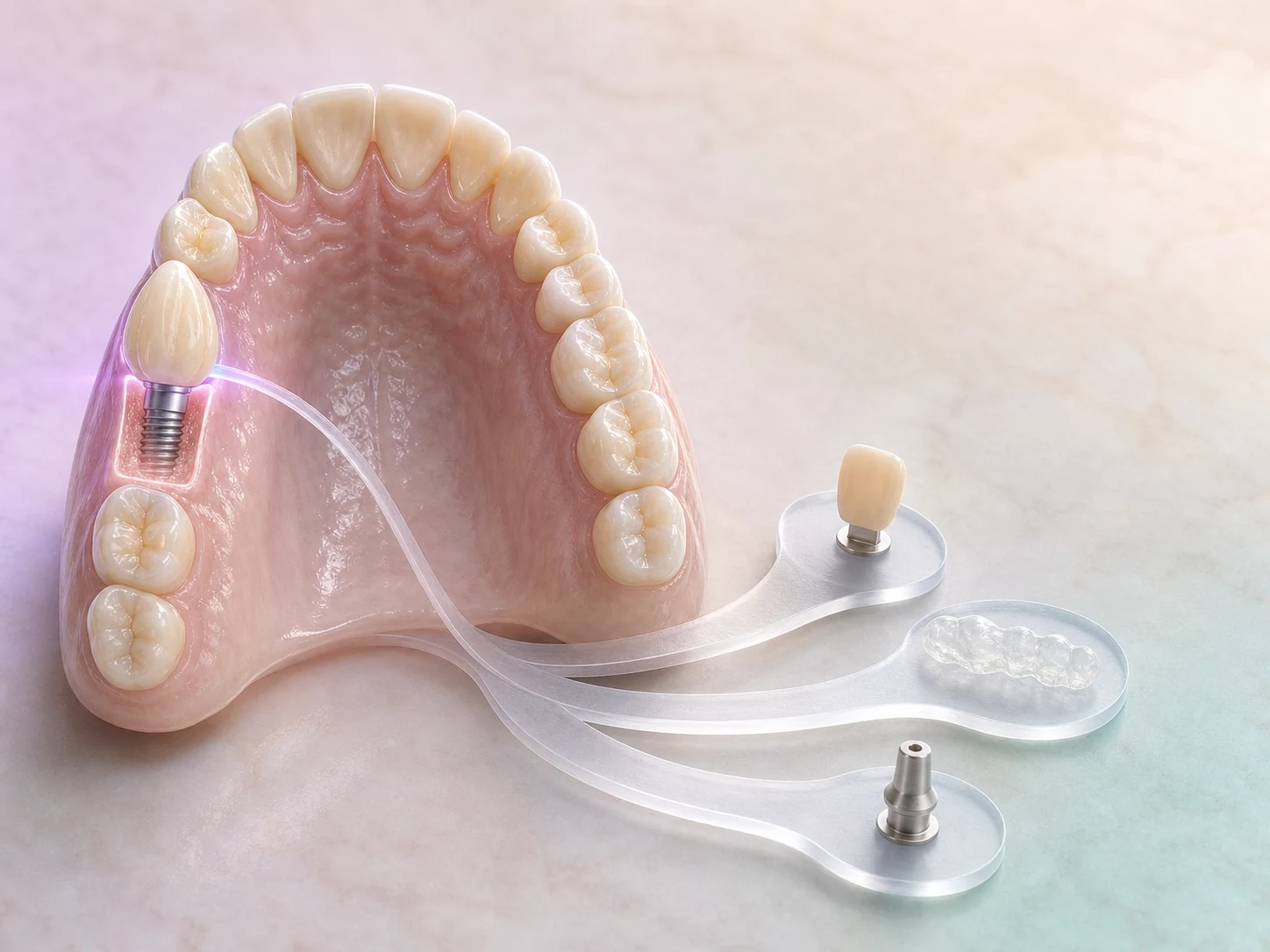
Clinic
FDI selection opens the fields the laboratory will see. One shared form. Blanks stay visible.
See odontogramHow it works
Context, people, gates, and independence — the same case end to end.
Context
Prescription, evidence, and history together — build on the same truth, not a parallel folder.
People
Clinic and laboratory on the same thread, with explicit human gates.
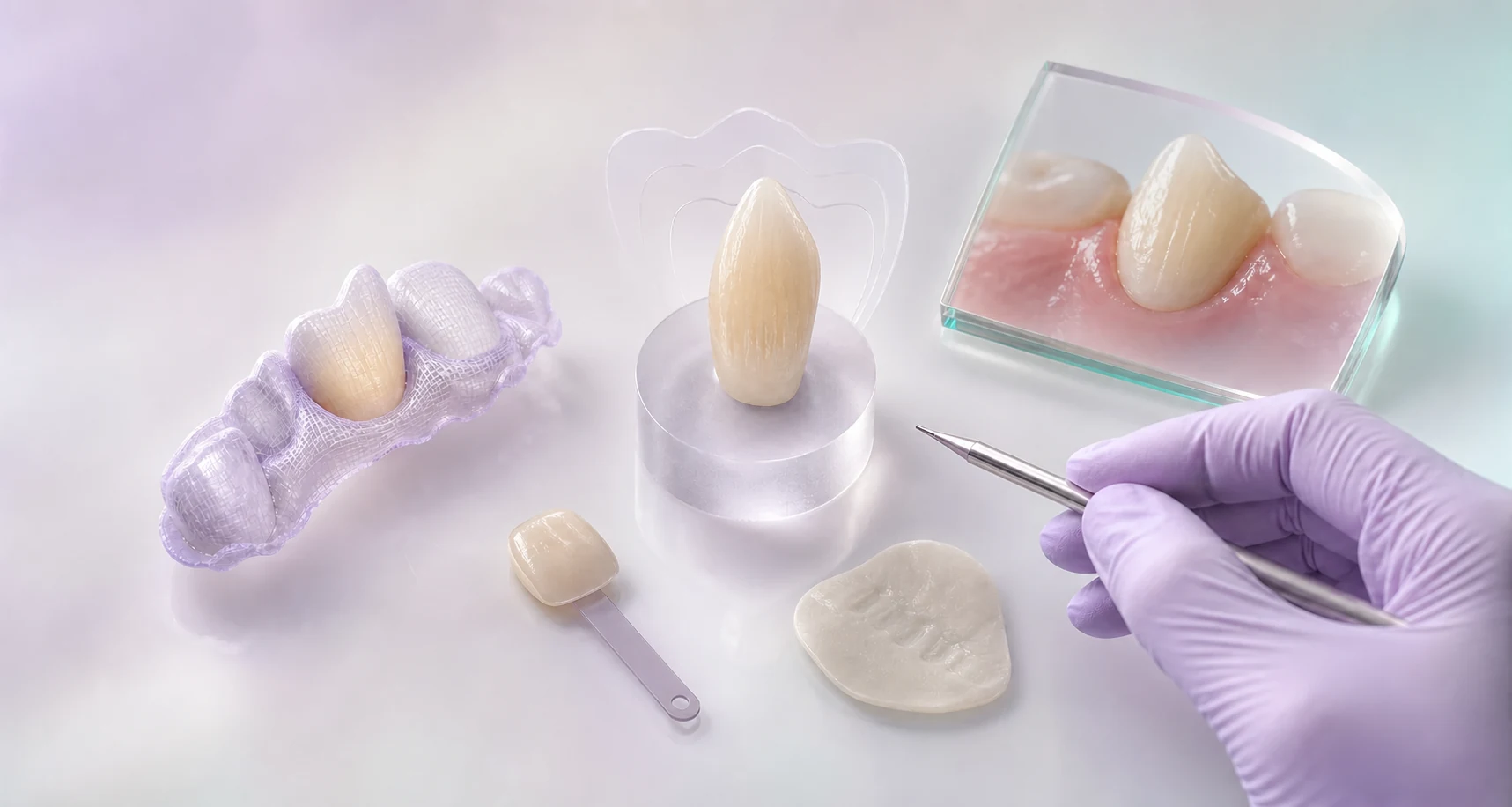
Gates
Work is decided before production: warnings, authorization, acceptance, and register.
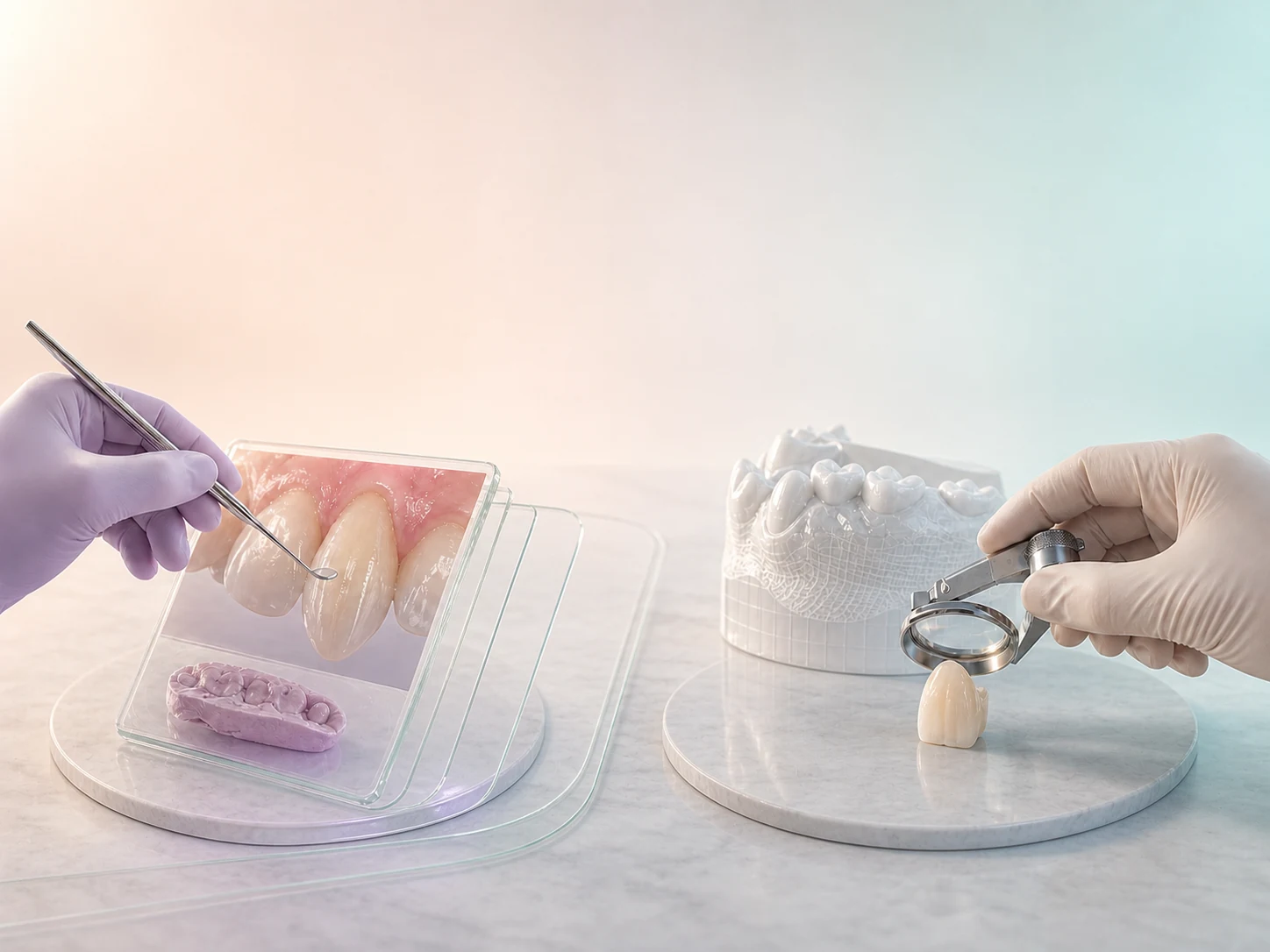
Independence
Compare against the right category. Complete the case without locking into a captive lab.
Why it matters
A remake can consume another restoration, laboratory work, chair time, and a new appointment. TrazaLab helps surface gaps before that rework.
Across 40,344 restorations from seven laboratories, remakes concentrated on margin, proximal fit, and overall fit.
Read the audit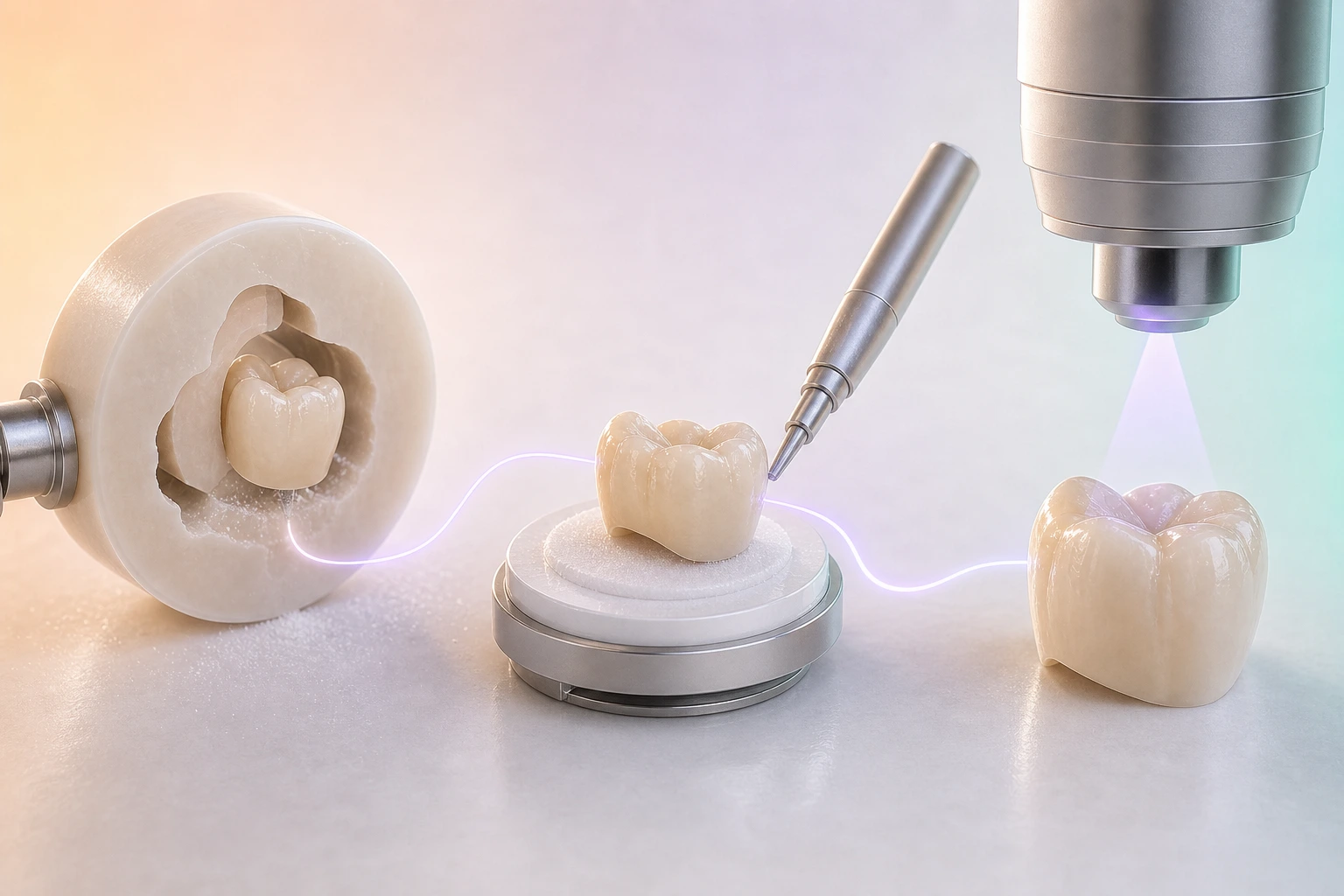
A study of 3,750 single-unit crowns linked rejection to proximal fit, marginal errors, and aesthetic failures.
Review the study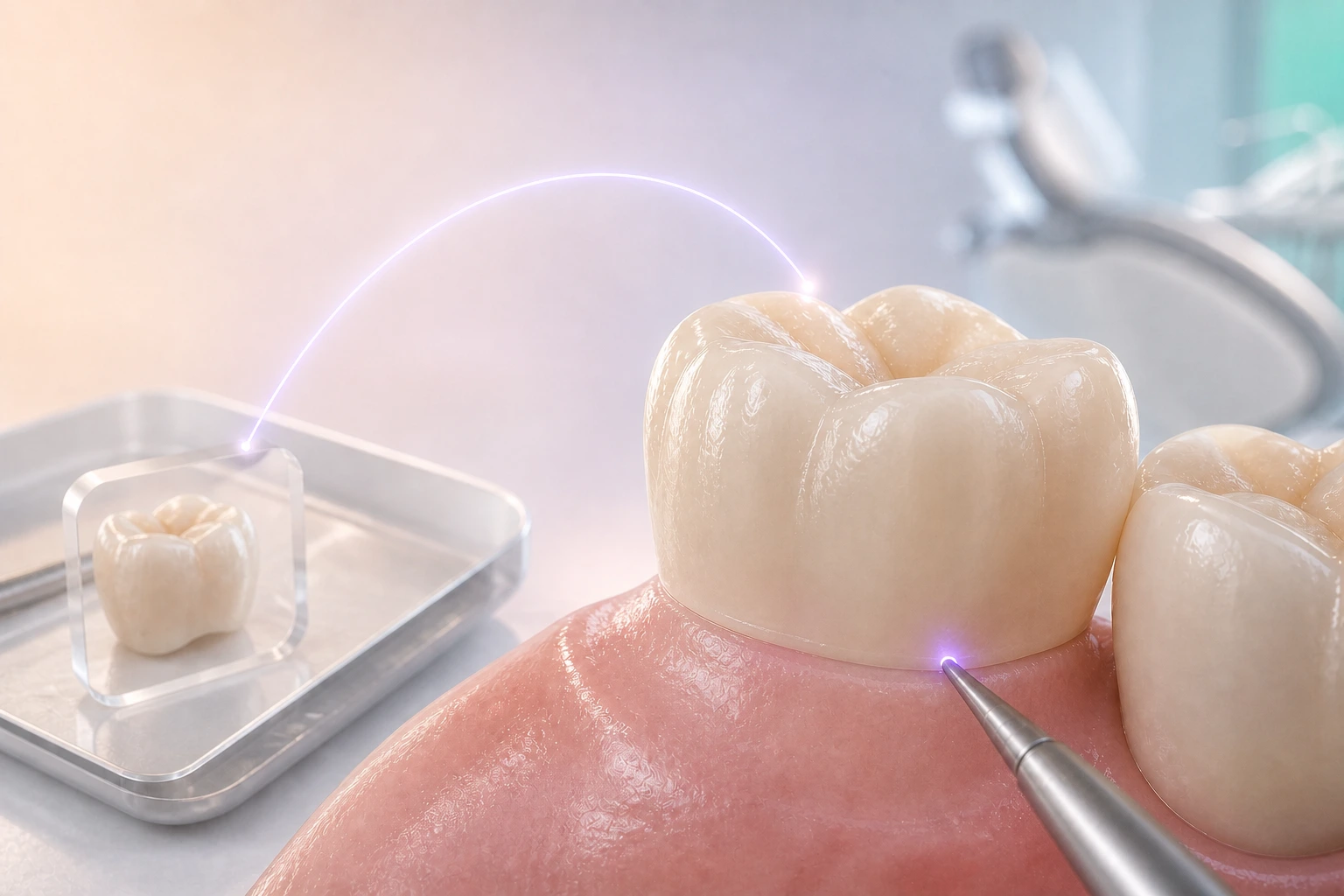
Frequent omissions in marginal design, shade, try-in, and photographs on work authorizations.
See the evidenceYour desk
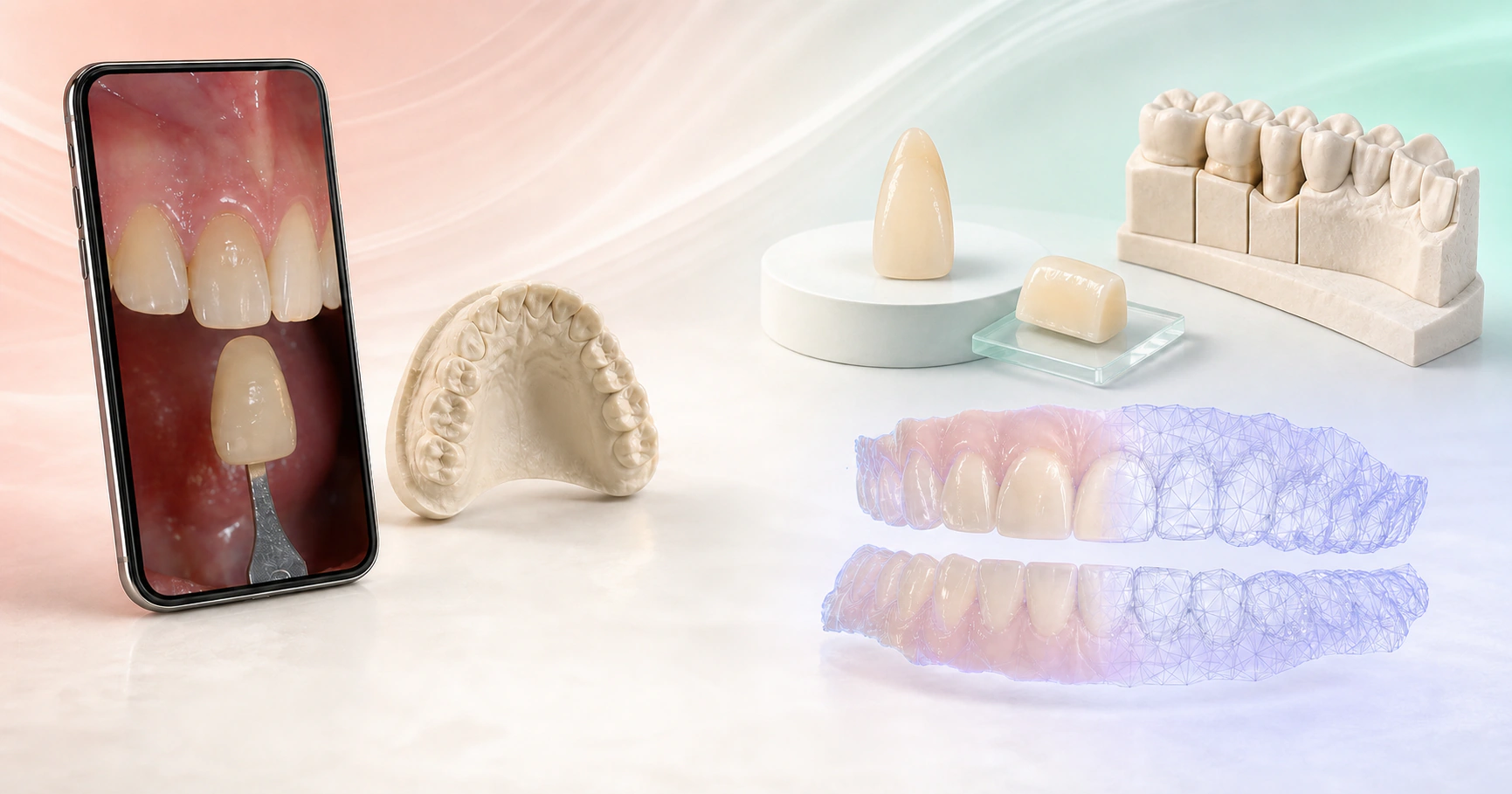
The story is shared. The desk is yours.
Go deeper
Next step
Start free opens pricing. Then you choose clinic or laboratory.
See pricingQuestions
Before send and on receipt, TrazaLab reviews the prescription, required records, and configured rules. It flags risks for clinic and laboratory; it does not guarantee the clinical outcome.
See prevention before fabricationNo. TrazaLab does not replace practice-management software, the scanner, CAD, or professional judgment. It prepares and validates the clinical case for the laboratory before fabrication.
See the workflow that connects clinic and labThe surgeon authorizes the send. The laboratory reviews the received case and decides whether to accept it or request information; TrazaLab does not authorize fabrication on its own.
See laboratory intakeTrazaLab organizes the clinical case for the laboratory. It keeps the prescription, records, files, owners, and decisions together on one case.
Walk through a complete case