
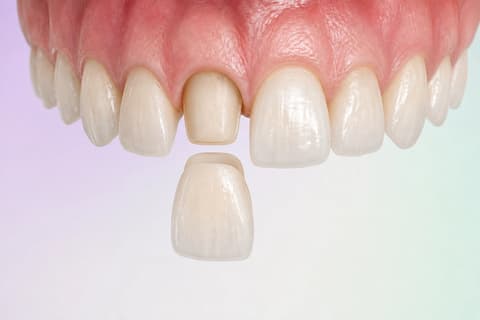
Identity opens the case.
TL-8246 starts with a patient, FDI 11, and a definitive crown. The location should not have to rebuild that relationship later.
- Site
- FDI 11 · Universal #8
- Treatment
- Tooth-supported crown
- Goal
- Definitive restoration
DENTAL GROUPS · MULTI-LOCATION EVALUATION
TrazaLab structures patient, FDI 11, treatment, prescription, evidence, laboratory, and instructions in one record. Then the group validates how its real locations and responsibilities fit.
Editorial model. Location hierarchy, access, availability, and rollout require confirmation.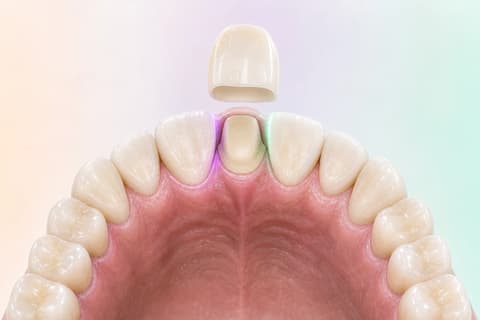
TL-8246 starts with a patient, FDI 11, and a definitive crown. The location should not have to rebuild that relationship later.
Crown opens material, shade, margin, contacts, and case instructions; not an invented corporate template.
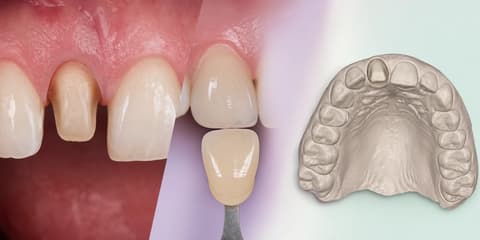
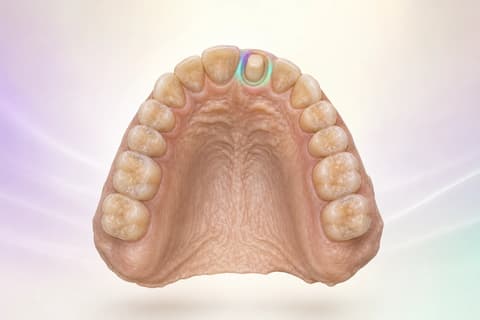
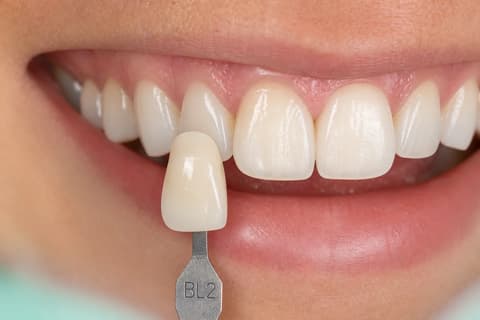
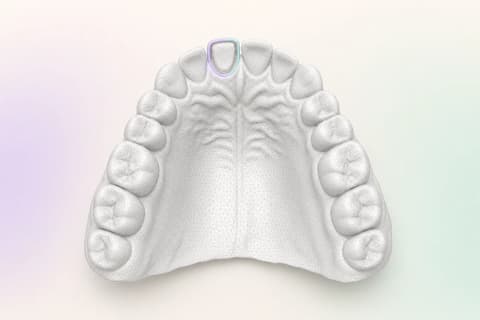
Preparation, shade reference, and treatment arch are reviewed as requirements of the same FDI 11 before preparing the package.
A CONTRACT INSIDE THE RECORD
A distributed operation needs to recognize the same clinical identity before talking about locations, permissions, or analytics. TL-8246 lets you test that base without inventing a corporate administration that vNext does not yet demonstrate.
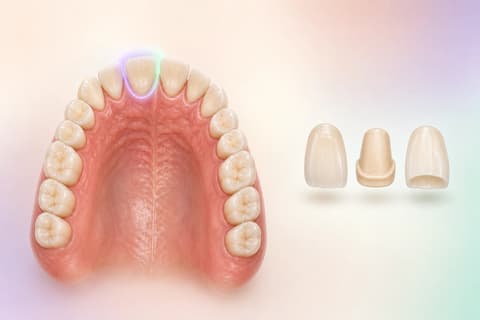 EDITORIAL VISUALIZATION
Patient, condition, and odontogram keep the place that the prescription and the evidence belong to.
 EDITORIAL VISUALIZATION
Multilayer zirconia, BL2, defined contacts, and instructions for the same FDI 11.
THREE REQUIREMENTS · ONE INTENT
Preparation, shade reference, and treatment arch belong to the FDI 11 crown. The structure can show their presence and their relationship; the team keeps the clinical judgment.
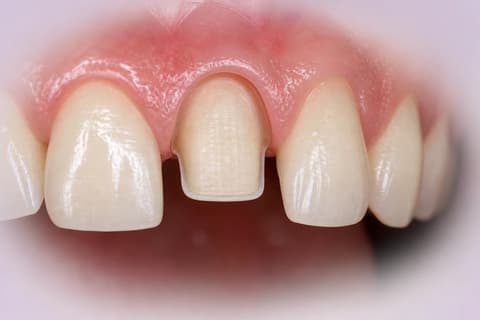
The site and the margin remain recognizable for human review.
COMPLETENESS BEFORE THE PACKAGE
A useful review keeps which requirement is missing and which treatment it belongs to. The page does not present automatic assignment, coordinators, signatures, or versions as active vNext capabilities.
The local model can show that the treatment arch is missing. It does not invent who must resolve it or declare the case correct.
THE SAME CASE, PREPARED FOR EVALUATION
The local view lets you compare the intent, the prescription, and the gathered requirements. It does not yet demonstrate persistence, real submission, or productive receipt by the laboratory.
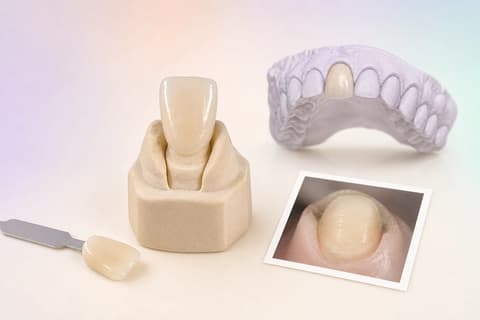 EVALUATION PACKAGETL-8246 · FDI 11
One restoration. One prescription. Three visible requirements.
EDITORIAL VISUALIZATIONTooth-supported · multilayer zirconia · BL2
FROM THE RECORD TO THE HUMAN DECISION
The visual outcome returns to FDI 11 and its treatment. Clinical quality, fit, shade, and fabrication remain under professional responsibility.
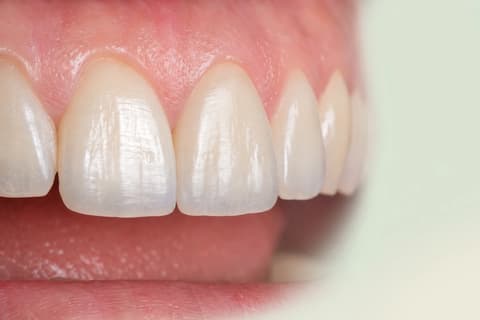 SITE OF ORIGINFDI 11 · crown
The clinical relationship remains recognizable.
EDITORIAL VISUALIZATIONThe visual try-in does not guarantee fit, shade, or outcome. Clinical and technical judgment remains outside the editorial automation of this page.
BEFORE CALLING IT “MULTI-LOCATION”
A responsible evaluation takes a representative case and confronts the product with the locations, people, access, security, and laboratory the group actually uses.
| Group decision | What the case proves | What remains pending |
|---|---|---|
| Real locations | Which location creates the case and which relationship it needs to keep. | Location hierarchy and exchange between locations require confirmation. |
| People and access | Who prepares, reviews, and consults the record. | vNext does not demonstrate a coordinator, owner, automatic assignment, or per-location permissions. |
| Restorative route | Which treatment, evidence, and laboratory the representative case needs. | TL-8246 demonstrates a tooth-supported crown with a required digital arch. |
| Security and retention | Which internal and legal obligations govern access and history. | The organization must validate jurisdiction, retention, security, and the current offer. |
| Rollout | Which behavior must be tested before widening the scope. | The current view is an editorial, local evaluation; not a promise of multi-location activation. |
TrazaLab does not claim here a group hierarchy, automatic synchronization between locations, corporate permissions, SSO, consolidated analytics, or universal availability.
QUESTIONS FOR A DENTAL GROUP
Long, visible answers to evaluate the case contract, the locations, access, the laboratory, and the limits of the current demonstration.
It can evaluate the structure of a representative restorative case: patient, condition, dental site, treatment, odontogram, prescription, required evidence, laboratory, instructions, and completeness review. The local reference on this page is TL-8246, a definitive tooth-supported crown on FDI 11 with multilayer zirconia, shade BL2, a preparation photograph, a shade photograph, and a treatment arch. This base lets you check whether the record keeps an understandable relationship before discussing a broader rollout. It is not equivalent to an active group or location hierarchy.
Walk the clinical caseWe do not make that claim. vNext does not yet demonstrate a dental group entity, location identifiers, automatic exchange between locations, corporate visibility, or per-location permissions. The page presents an editorial model to evaluate the case contract, not proof of activated multi-location synchronization. Before deploying, the organization must confirm the available configuration, who can access each record, how locations are separated, and which legal or security obligations apply.
It is not demonstrated in the reviewed vNext contract. The Case Wizard does organize a concrete sequence and can make requirements specific to the selected treatment visible. In TL-8246, the crown opens its prescription and requires preparation, shade, and treatment arch. That must not be confused with a universal policy builder, corporate templates, or different rules per location. The group should identify its representative cases and check them against the available configuration and current offer during the evaluation.
Not in the vNext demonstration behind this page. The model can show that a case requirement is missing, but it does not prove a coordinator, task owner, automatic assignment, escalation, signature, or change of owner. The terms assistance, coordination, surgeon, and laboratory can describe responsibilities in the human process, but they are not a contractual catalog of roles or permissions. Each organization must map who prepares, reviews, and decides, and then confirm which access controls are available.
It demonstrates locally that the package can gather the intent, the prescription, and the requirements of the same treatment, and expose whether a required element is present or missing. That review does not by itself determine that the preparation, shade, scan, occlusion, or outcome are clinically correct. Sufficiency and the decision to continue remain under human responsibility. The page avoids presenting a completeness label as a clinical or fabrication guarantee.
See the prevention checksNo. The laboratory view of TL-8246 is a simulated local projection of the same package under review. The preview does not execute patient search, file upload, persistence, database writes, real submission, or a productive handoff to the laboratory. There is also an inherited discrepancy with a shared-draft route that must be resolved against the vNext private-draft rule. That is why this page describes the laboratory as evaluation, not as a completed receipt.
Evaluate the laboratory perspectiveIt is a valid operational need, but TL-8246 currently demonstrates a crown whose required evidence includes the digital treatment arch. The physical route remains an editorial possibility that must be validated against the available product and configuration; it must not be presented as equivalent active behavior. The group should document per location which scanners, files, impressions, components, and photographs it uses, and confirm compatibility, limits, and process before deciding on a rollout.
See case creation in the clinicIt must confirm participating locations, real owners, record access, treatment types, required evidence, digital or physical routes, laboratories, formats, security, retention, legal obligations, support, commercial terms, and current availability. The most useful evaluation reproduces one or more real cases without sensitive data, introduces a realistic missing item, and observes whether the organization can recognize and resolve it without losing the site or the intent. Do not buy the word ‘multi-location’; test the journey the group needs.
Explore the product tourA REPRESENTATIVE CASE BEFORE ROLLOUT