
1. Home
  2. Smile design calculator

SMILE PROPORTIONS · GOLDEN · RED · CHU

Anterior widths the lab can mill to.

Set the central width, compare Golden, RED, and Chu side by side, and keep the proportion note on the case — not as a consumer makeover promise.

Proportion ratios are reference tools for case communication (Golden, RED, Chu). They are not a smile-makeover diagnosis and do not replace clinical judgment, photographs, or the laboratory wax-up.
METHODSGolden · RED 70% · Chu
JOBAnterior width note → Digital Rx
TrazaLabProportion instrument 8.50 mmReady
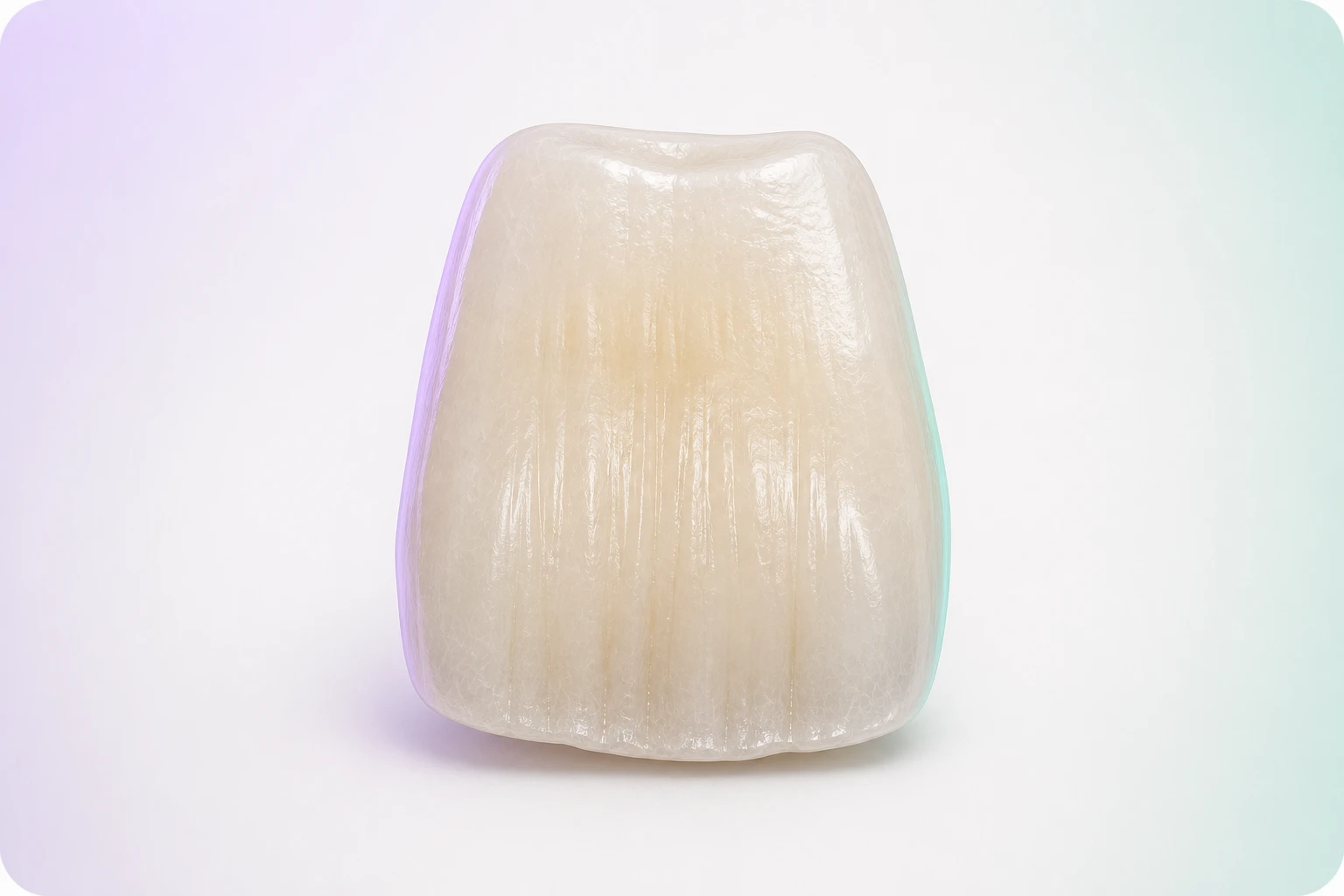
EDITORIAL VISUALIZATION
Central8.50 mm
Lateral5.25 mm
Canine3.25 mm
IDEAL HEIGHT (~78% W/H)10.90 mm
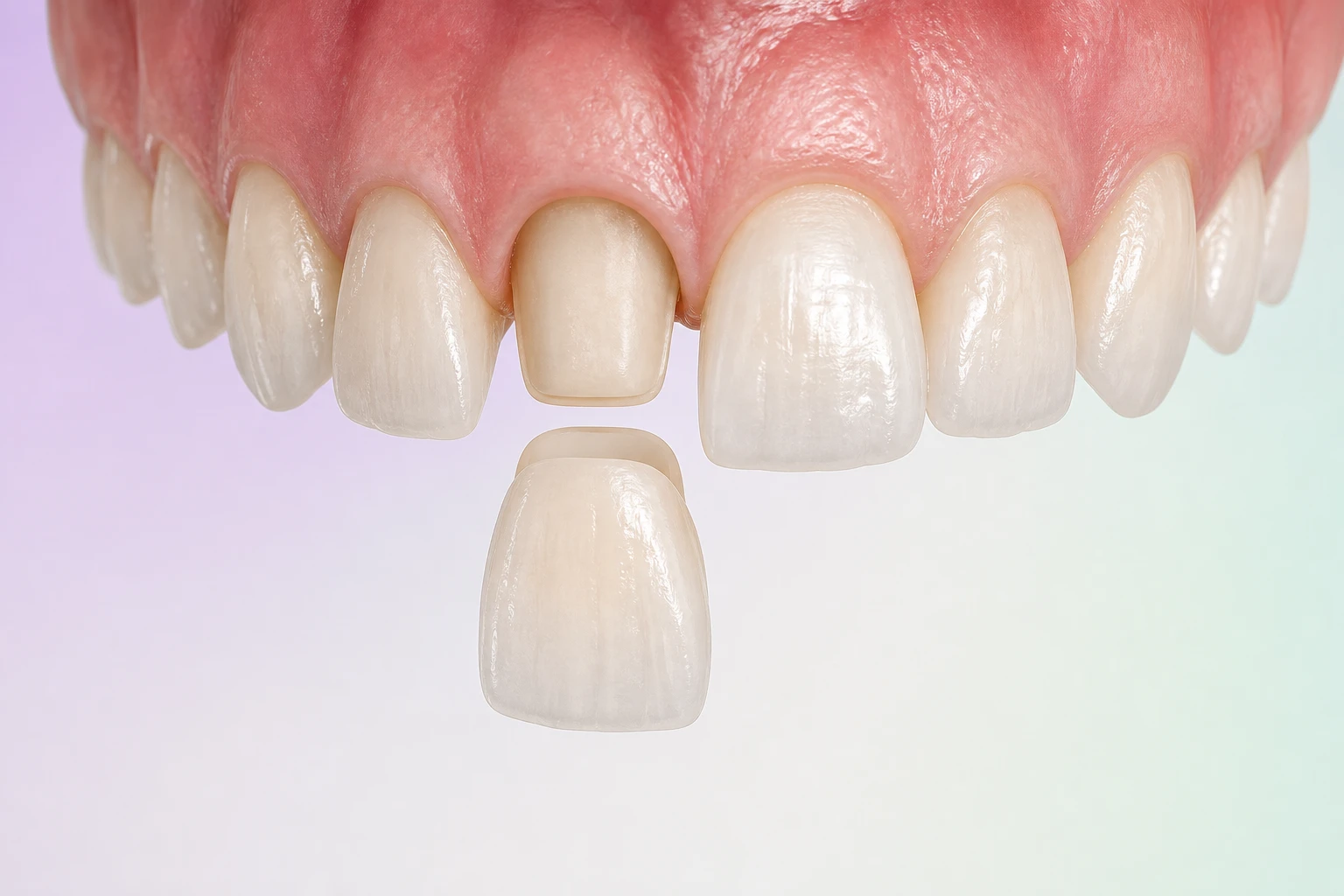
EDITORIAL VISUALIZATION

WHY THREE METHODS

One ratio is a starting point — not the prescription.

Golden, RED, and Chu give different lateral and canine widths from the same central. Compare them, photograph the case, and write the chosen note on the Digital Rx.

DENTAL PROPORTION

Proportion is what separates a pretty restoration from a natural one.

Patients often cannot explain what is wrong with an artificial smile, but they feel it. The difference between “it looks fake” and “it looks natural” almost always comes down to proportion — the mathematical relationship among the visible widths — not only shade or isolated tooth shape.

This calculator is a clinic–laboratory proportion reference. It is not a consumer smile-makeover planner and it does not replace photographs, wax-ups, or clinical judgment. Enter a central width, compare Golden, RED, and Chu, then write the chosen widths into the case language the laboratory will mill from.

TrazaLab keeps FDI selection and typed clinical fields on the same Digital Rx. Use this page to draft anterior width notes; keep them with the odontogram and remake-prevention evidence before the case leaves the clinic.

WIDTH-TO-HEIGHT

About 78% width-to-height — square or overly long centrals read artificial.

The ideal width-to-height ratio for the central incisor is about 78% (commonly cited range 75–80%). Teeth that are more square or more elongated are perceived as unnatural even when shade and texture are excellent.

This instrument estimates ideal height from the central width you enter using the same ~78% relationship already published on TrazaLab’s live smile calculator. Treat it as a starting geometry note, then confirm with photographs and a mock-up when the smile is high-stakes.

Height errors show up in the smile arc and in how much tooth shows at rest. Width errors show up as piano-key sameness or as laterals that vanish into black triangles. Measure both axes before you freeze the wax-up.

GOLDEN PROPORTION

0.618 cascade — useful start, often too narrow on laterals.

Proposed in dental aesthetics discussions by Lombardi and popularized by Levin, the golden proportion treats the lateral as about 62% of the central’s apparent width, and the canine as about 62% of the lateral, viewed from the front.

TrazaLab’s live calculator implements that cascade as central × 0.618 for the lateral and again × 0.618 for the canine. It is a clean starting point and a rigid one. In many faces the golden lateral is too narrow and opens a black cervical space.

Studies such as Preston (1993) and Gillen (1994) reported that strict golden ratios do not occur in most natural dentitions. Patients still often prefer smiles with regular mathematical relationships. Use golden as a lower-bound reference, not as an absolute law.

RED 70%

Recurring Esthetic Dental ratio — consistent reduction, flexible percent.

Ward’s RED approach keeps a recurring reduction from tooth to tooth instead of locking every case at 62%. Literature discusses usable bands roughly between 62% and 80% when the percentage stays consistent across the visible teeth.

TrazaLab’s live instrument implements RED as a 70% cascade: lateral = central × 0.70, canine = lateral × 0.70. That matches the published calculator on trazalab.com and gives a wider lateral than strict golden for many faces.

Choose RED when golden laterals look pinched, when the face is wide, or when you need a harmonious reduction that still leaves enough lateral presence in the smile. Compare all three methods on this page before you write the Rx note.

CHU’S GAUGE

Fixed clinical ratios — lateral 0.76, canine 0.83 of the central.

Chu’s gauge language gives practical fixed proportions relative to the central. TrazaLab’s live calculator uses lateral = central × 0.76 and canine = central × 0.83 — the same ratios wired into this Theme instrument.

Chu is useful when the team wants absolute millimeter targets instead of a cascading percentage story. Measure the central with a Boley gauge or calibrated photo, then read lateral and canine widths from the method you chose.

No single system wins every face. Compare Golden, RED, and Chu side by side here, photograph the smile, and write the chosen millimeters on the Digital Rx with the odontogram teeth selected.

SMILE ARC

Incisal edges should follow the lower lip — flat arcs age the face.

The curvature formed by the upper incisal edges should follow the lower lip when smiling. A flat smile arc ages the face; a consonant arc that tracks the lip reads younger.

Width calculators do not invent lip dynamics. After you pick Golden, RED, or Chu widths, still evaluate the arc on photographs and mock-ups. Perfect millimeter tables with a flat arc still look wrong in conversation.

Gingival margin hierarchy matters too: centrals and canines often share a level while laterals sit slightly more apical. Perfect tooth widths with chaotic gingival zeniths still look unfinished.

FIVE MISTAKES

Proportion mistakes that ruin aesthetic restorations.

These mistakes are subtle. The restoration can look fine on the model and wrong on the face. The problem almost always comes down to proportion, soft tissue, or midline — not polish.

Equal visible widths erase hierarchy. Centrals, laterals, and canines that all read the same width look like piano keys. Patients feel that even when they cannot name the millimeter error.

Strict golden laterals on a wide face often open black cervical triangles. Prefer comparing RED at 70% before you lock ceramic to a 0.618 cascade.

Tooth ratios without gingival planning still fail. Zenith chaos or black triangles announce artificial work next to perfect width tables.

Skipping the mock-up to save a visit is how remake visits get booked. Validate hierarchy and arc in the mouth before irreversible preparation.

  • Equal visible widths — piano-key centrals, laterals, and canines with no hierarchy.
  • Golden laterals that are too narrow for the face, opening black cervical triangles.
  • Perfect tooth ratios with mismatched gingival margins.
  • Dental midline tilted relative to the occlusal plane — often more visible than a small offset.
  • Paper proportions without an intraoral mock-up the patient can approve before preparation.

MIDLINE

Within about 2 mm of facial midline — tilt hurts more than a small shift.

The human eye detects midline asymmetries on the order of a couple of millimeters. Larger discrepancies between facial and dental midlines show in normal conversation and cannot be fixed with shade alone.

The dental midline does not need to coincide exactly with the facial midline, but staying within about 2 mm is a common clinical target. A tilted midline relative to the occlusal plane is often more conspicuous than a modest parallel offset.

Before you chase millimeter width tables, photograph the face at rest and smiling. Proportion math cannot rescue a midline the patient already distrusts in the mirror.

HOW TO MEASURE

Boley gauge or calibrated photo — then write millimeters on the Rx.

Measure mesiodistal width at the equator of the central with a Boley gauge or sharp calipers. For photographs, include a calibrated ruler or Chu-style gauge in the frame so pixels become millimeters.

Enter that central width here, compare methods, and copy the chosen lateral and canine widths into clinical notes or Digital Rx language with the FDI teeth selected on the odontogram.

Re-measure after provisionalization if the prototype changes the visible width. Update the case record — do not leave the laboratory milling the first draft forever.

DIGITAL RX

Widths belong next to the odontogram — chat is not the prescription.

TrazaLab’s Clinical Rx is the shared prescription. Case creation writes typed fields into that form. Remake-prevention photographs and videos are fulfilled on the order. Proportion millimeters are clinical notes that should travel with the same packet.

Write method name, central width, lateral width, canine width, and any smile-arc or midline notes where the laboratory will read them. Empty applicable fields show as Not on Rx. Hard send warnings can still require surgeon acknowledgment before the case leaves.

TrazaChat can debate the mock-up. The Digital Rx commits the numbers. Do not leave proportion decisions only in a voice note.

ASYMMETRY

Dental, gingival, or skeletal — pick the lever that can actually move.

First decide whether the asymmetry is dental, gingival, or skeletal. Dental asymmetries often resolve with restorative contour. Gingival ones may need periodontal surgery. Skeletal ones have prosthetic limits.

Trying to hide severe skeletal asymmetry with veneer widths alone produces artificial results. Use this calculator for restorative width planning inside a realistic envelope, not as a promise to reshape the face.

Document which lever you chose on the Rx so the laboratory does not mill heroic contours that the soft tissue or skeleton will betray.

CLINIC WORKFLOW

Measure, compare, mock-up, write the Rx — then mill.

SOP beat inspiration. Measure the central, run all three methods, photograph, mock-up with flowable resin or silicone when aesthetics are high-stakes, then write millimeters on the Digital Rx with FDI teeth selected.

Teach associates the same order so every anterior case does not invent a private proportion ritual. Shared language with the laboratory matters more than which named method you prefer.

If the patient rejects the mock-up, change the numbers on the case record before preparation. Milling the rejected draft is an expensive way to learn listening.

Keep face photographs and shade evidence on their own remake-prevention lanes. Proportion notes do not replace shade, and shade does not replace width hierarchy.

For multi-unit anteriors, write transition teeth explicitly. A perfect central with ignored laterals still fails the smile test.

VISUAL HIERARCHY

Central dominates, lateral subordinates, canine frames.

A natural smile has visual hierarchy. The central dominates, the lateral is subordinate, and the canine frames the corner. When all three show the same apparent width, the smile looks monotonous and artificial — like piano keys.

Hierarchy is why method choice matters. Golden, RED, and Chu are different recipes for that hierarchy. Compare them on the same central width before you commit ceramic.

Patients rarely say “my lateral is 0.3 mm wrong.” They say the smile looks fake. Hierarchy is usually what they are sensing.

Write hierarchy intent on the Rx: which method, which millimeters, and whether the canine should read stronger for a wider face.

For teaching clinics, photograph before-and-after mock-ups with the same camera distance so associates learn hierarchy visually, not only as numbers.

MOCK-UP

Numbers on paper are necessary — and insufficient.

Calculate proportions on paper or in this instrument, then test them in the mouth. A flowable resin or silicone mock-up lets the patient approve widths before irreversible preparation.

Mock-ups also reveal smile-arc and midline problems that millimeter tables hide. If the mock-up fails, change the case record before you cut enamel.

Photograph the approved mock-up with the same framing you will use for shade. Attach the intent to the Digital Rx so the laboratory mills the approved geometry, not a remembered conversation.

For ceramic veneers, the mock-up is often the cheapest remake prevention tool you have. Skipping it to “save time” is how afternoon remakes get scheduled.

Direct composite can use the same proportion logic. The mock-up may become the restoration — still write the target widths so future replacements match.

LAB COMMUNICATION

Say the method out loud on the packet.

Laboratories cannot mill “make it natural.” They can mill 8.50 / 5.95 / 4.17 mm with a named method and photographs. Ambiguous adjectives are remake fuel.

If clinic and laboratory prefer different named systems, pick one per case and stick to it on the Rx. Switching mid-thread without updating fields is how version drift happens.

Include whether widths are apparent (frontal view) or actual mesiodistal. Apparent golden language and absolute Chu millimeters are different stories — label which one you mean.

When a remake cites proportion, write the failed dimension: laterals too narrow, canines weak, arc flat, midline tilted. Vague “shape wrong” notes teach nothing.

Share the same Digital Rx packet — not a cropped calculator screenshot without tooth numbers or patient identity.

CASE TYPES

Single central, six-unit smile, or wear case — different stakes.

A single central replacement is the hardest proportion test: the twin must match, and patients stare at the midline. Measure both centrals and write symmetry notes, not only a calculator output.

Six-unit smile designs need explicit transition teeth. Do not calculate only 11/21 and hope 12/22 invent themselves.

Wear and VDO cases may change tooth display length before width hierarchy. Coordinate proportion notes with bite and face evidence lanes when those tools apply.

Implant anteriors add soft-tissue constraints. Width tables that ignore papilla and ridge will still remake. Pair this calculator with the tissue reality on the Rx.

Ortho finishing cases may already have golden-ish relationships. Confirm whether you are preserving ortho results or redesigning them — and say which on the packet.

EVIDENCE LANES

Proportion notes do not replace shade, bite, or face evidence.

Remake prevention on TrazaLab separates typed fields from photo and video evidence. Proportion millimeters are typed clinical communication. Shade photographs, prep detail, bite, and face/ridge/Shimbashi evidence stay on their own lanes when the case needs them.

Do not paste a calculator screenshot into the shade photo row. Put widths in notes or Rx fields and put shade photos in TrazaShade.

Empty applicable evidence rows still show as Not on Rx. Send warnings can require acknowledgment before the case leaves the clinic.

STL review meshes are not an evidence lane substitute for smile photographs. A millable mesh can still encode the wrong hierarchy.

Keep TrazaChat for clarification. Keep the Digital Rx for commitments the laboratory can reopen months later.

SOFT TISSUE

Proportion includes the gingiva — not only tooth widths.

You can calculate perfect dental proportions and still fail the smile if gingival margins are wrong. Centrals and canines often share a similar zenith height; laterals sit slightly lower. Soft tissue is part of the proportion story.

Black triangles and uneven papillae announce artificial geometry even when millimeter tables look correct. Photograph the smile with lips retracted and at rest so the laboratory sees tissue reality.

Crown lengthening or soft-tissue grafting may need to precede ceramic when display length is wrong. Do not ask zirconia to compensate for a surgical problem.

Write gingival intent next to width notes on the Digital Rx when the case depends on it. Empty soft-tissue context becomes Not on Rx for the laboratory.

Implant anteriors add emergence and papilla constraints. Pair this calculator with tissue notes instead of treating widths as free variables.

If the patient shows gingival asymmetry at full smile, decide whether restorative illusion or periodontal correction is the plan — and say which on the packet before milling.

PHOTOGRAPHY

Same camera distance, same framing — or the millimeters lie.

Proportion photographs fail when focal length and patient distance change between visits. Keep a chairside protocol: same lens, same distance, same head position, and a scale reference in the frame when you will measure from pixels.

Shoot retracted and full-smile views. Retracted frames show tooth hierarchy; full smile shows lip arc and display. The laboratory needs both when aesthetics are the reason for treatment.

Do not crop away the contralateral twin on single-central cases. Symmetry lives in the pair, not in an isolated close-up of the preparation.

White balance and flash position change how value reads next to shade tabs. If the packet also carries TrazaShade evidence, keep lighting consistent across shade and proportion frames when you can.

Attach photographs to the Digital Rx packet. A private phone album is not a laboratory record the technician can reopen months later.

Teach associates to reject blurry or angled frames before they write widths. Bad photos create confident wrong numbers.

PROVISIONALS

Provisionals are the live proportion test the mill will inherit.

Once the mock-up is approved, the provisional should carry the same hierarchy into daily speech, chewing, and photographs. If the patient rejects the provisional, change the numbers before ceramic — not after.

Measure the seated provisional the same way you measured the plan. Drift between planned and seated widths should update the Digital Rx immediately.

Phonetics and lip support can veto a mathematically pretty table. Listen to F and S sounds, then adjust length and edge position without pretending shade will fix speech.

Send provisional photographs with the same framing protocol as the diagnostic set. The laboratory should see what the patient already accepted.

For implant anteriors, provisional emergence profiles constrain final width. Do not calculate free Golden laterals that soft tissue cannot support.

Keep TrazaChat for chairside tweaks, and keep the committed millimeter line on the Digital Rx so remakes cite a document, not a memory.

WIDTH-TO-HEIGHT

About 78% width-to-height keeps centrals from looking square or spindly.

TrazaLab’s live smile calculator derives ideal central height from width ÷ 0.78 — about a 78% width-to-height relationship in the common 75–80% clinical range. Teeth that read too square or too elongated look artificial even when shade and texture are perfect.

Width hierarchy among central, lateral, and canine is a separate decision from central height. Run both. A Golden lateral on a central that is 2 mm too long still fails the smile.

Confirm height on photographs and mock-ups with lip at rest and full smile. Display length the patient hates will not be forgiven by millimeter width tables.

Write both planned width and planned height on the Digital Rx when anterior aesthetics drive the case. Empty height intent becomes another Not on Rx gap for the laboratory.

CASE RECORD

Proportions belong next to the odontogram.

FDI selection and typed clinical fields live on the same Digital Rx. This calculator is the width reference — the case still carries teeth, shade, and remake-prevention evidence.

Keep proportions in the case
TrazaLabProportions on Digital RxReady
PROPORTIONS ON DIGITAL RX
METHODGolden
CENTRAL8.50 mm
LATERAL5.25 mm
CANINE3.25 mm

Proportion ratios are reference tools for case communication (Golden, RED, Chu). They are not a smile-makeover diagnosis and do not replace clinical judgment, photographs, or the laboratory wax-up.

FAQ

Proportions without makeover language.

Proportion ratios are reference tools for case communication (Golden, RED, Chu). They are not a smile-makeover diagnosis and do not replace clinical judgment, photographs, or the laboratory wax-up.

01Is this a patient smile-makeover planner?+

No. It is a clinic–lab proportion reference. Patient communication stays with photographs, wax-ups, and the treating clinician.

02Which method should I send to the lab?+

The method you and the laboratory agree for the case. Compare all three here, then write the chosen widths and photographs on the Digital Rx.

03Where do the ratios come from?+

From the live TrazaLab smile calculator already published on trazalab.com: Golden 0.618 cascade, RED 70% cascade, Chu lateral 0.76 / canine 0.83, and ~78% width-to-height for ideal height.

04Does golden proportion occur in nature?+

Often not strictly. Preston (1993) and Gillen (1994) found it uncommon in natural dentitions, yet patients still prefer regular mathematical relationships. Treat golden as a start, not absolute law.

05Why prefer RED over golden sometimes?+

RED keeps a consistent reduction while allowing percentages other than 62%. TrazaLab’s 70% implementation often leaves laterals with more presence than strict golden on wider faces.

06Can composite and ceramic use the same ratios?+

Yes. Proportion principles apply to direct composite, ceramic veneers, and crowns. A flowable mock-up is often the cheapest way to validate widths before irreversible preparation.

07Does TrazaLab guarantee aesthetic outcomes?+

No. TrazaLab is case-coordination software. Aesthetic and treatment decisions remain with the healthcare professionals involved.

NEXT

Widths named. Case still open.

Keep the proportion note with the odontogram and Digital Rx, then add remake-prevention evidence before the case leaves the clinic.

Choose the right next step

Start with one case.

Create an account now or walk through a complete case before deciding. Both paths are available today.

Already using TrazaLab? Log in

Choose based on what you need

ACCOUNTStart nowCreate an account through the functioning TrazaLab signup journey.
TOURUnderstand before decidingFollow the complete self-guided case without registration or a sales conversation.
CASECompare it with your flowUse the tour as a guide and activate TrazaLab when the process fits your team.